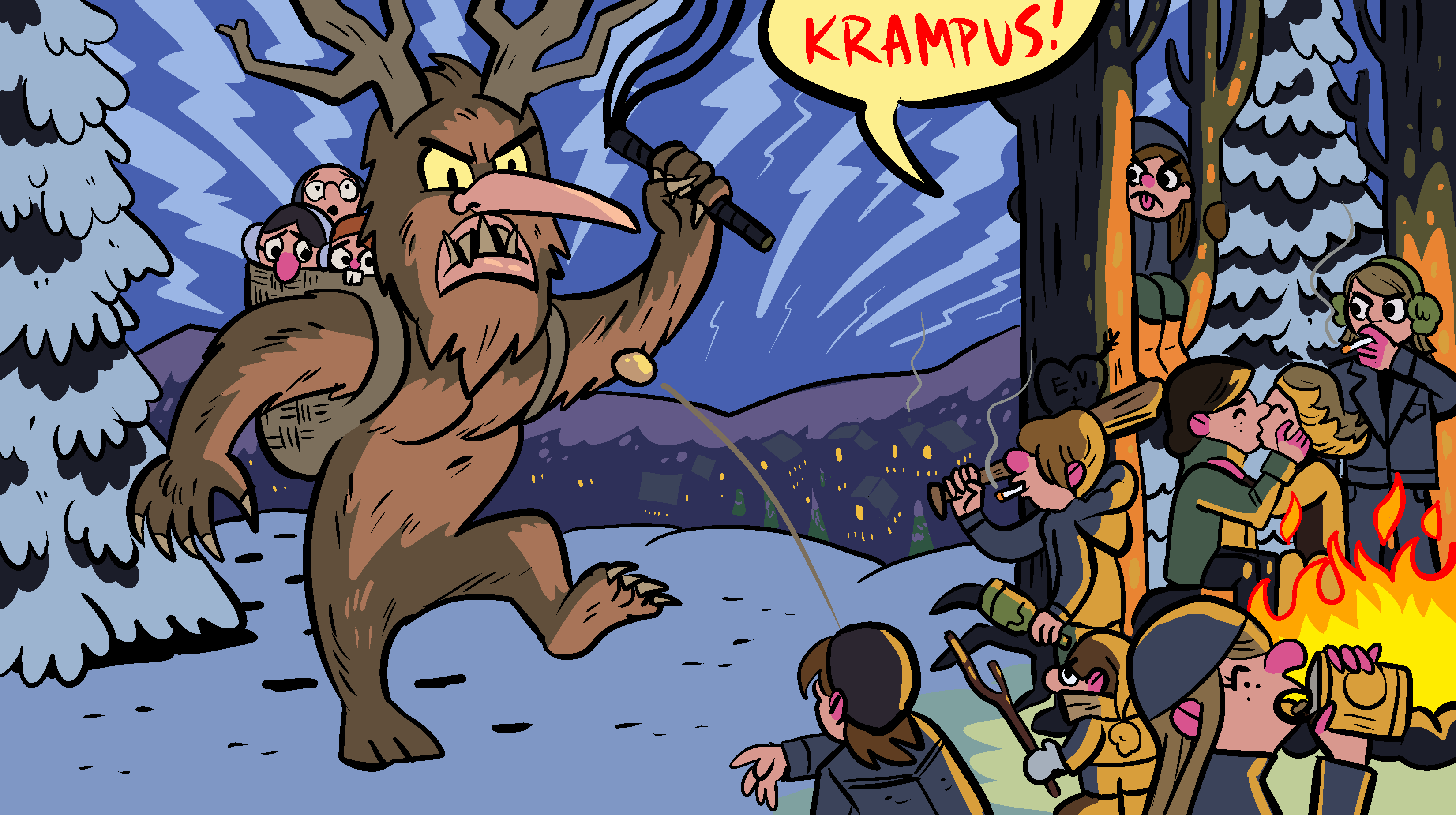
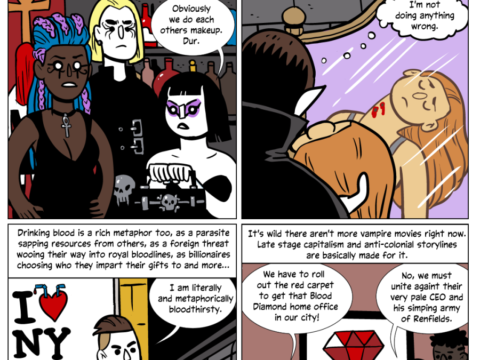
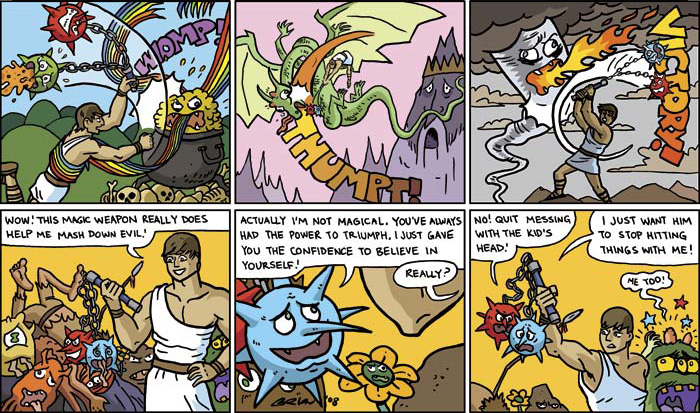
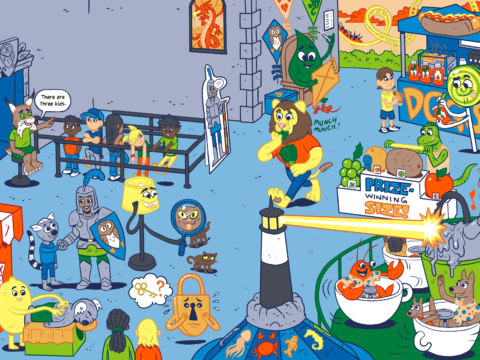
As I mentioned in my post on How To Be Funny, one panel gags are less about being funny and more about communicating an idea with clarity. With no real space to explore rhythm and timing, it’s hard to make belly laughs. That being said, there is a real fun to the limitations of the format, like writing a haiku or sonnet instead of free verse.
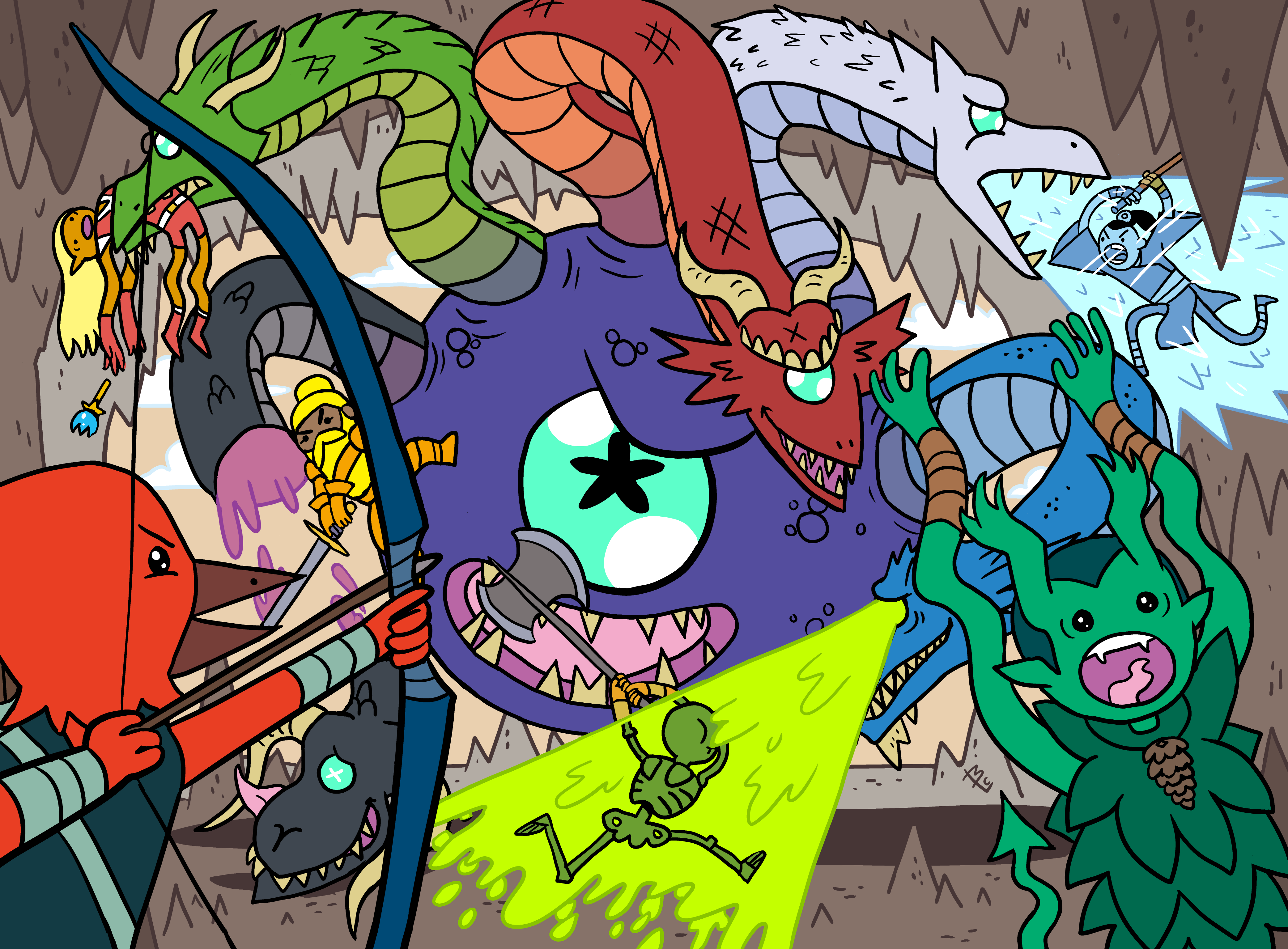
Here is a gallery of strips I’ve done that are inspired by the TED lectures. While I draw and colour my comics, I like to expand my knowledge by listening to smart people talk. Sometimes it’s audio books but a lot of time it’s online lectures, and TED has some of the best on the web. (I also enjoy TVO’s Big Ideas). TED brings together experts on topics as varied as music, fungi, language, biomimicry and gives them 20 minutes to distill and communicate their best ideas. There is little room for rambling and throat clearing. It’s almost an in media rez approach to academic lecturing. I think it’s a perfect subject for me to try to further distill into a one-panel comic. Some of lecturers also use one-panel gags to communicate their ideas, so it could be a self perpetuating situation.
I actually did some of these comics as more polished pieces first but felt the scratchy approach to the strips put less pressure on the punchlines to be funny, and allowed them to just summarize. When I do gags that are first and foremost supposed to be funny, I feel comfortable with this more finished art style.

In addition to the one-panel gags you see in the Comics For Kids page, I’ve also done some for Torontoist. I’ve used one-panel gags as a sort of journal of observations during an event. I did one for our trip to Jon Stewart and Stephen Colbert’s Rally To Restore Sanity, for the Toronto Maple Leafs’ 2010-11 season and for Toronto’s all night art Festival, Nuit Blanche.